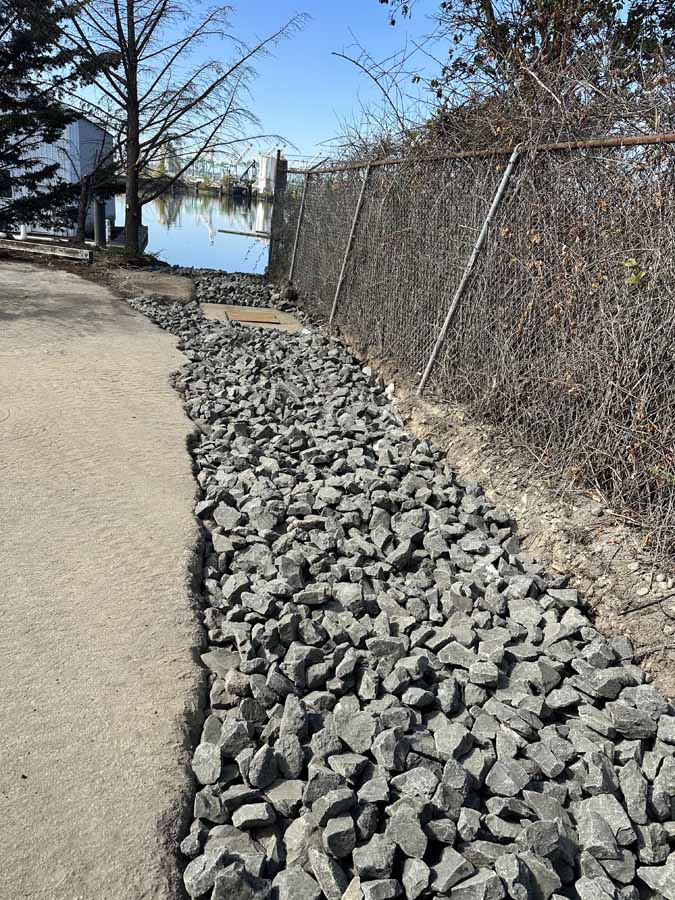
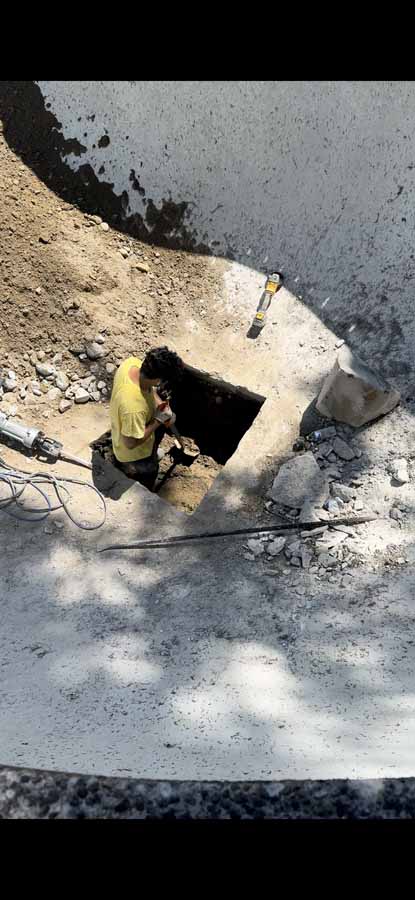
Drainage is a critical aspect of any excavation project. Ineffective drainage can lead to water accumulation, soil erosion, and structural damage. At PNW Excavation, we specialize in providing top-notch drainage solutions in Tacoma, Washington, ensuring the longevity and safety of your construction projects.
Drainage excavation is essential for:
At PNW Excavation, we prioritize the implementation of efficient drainage systems to protect your property. We understand the importance of living a full life at home, and feeling safe is vital to peace of mind.
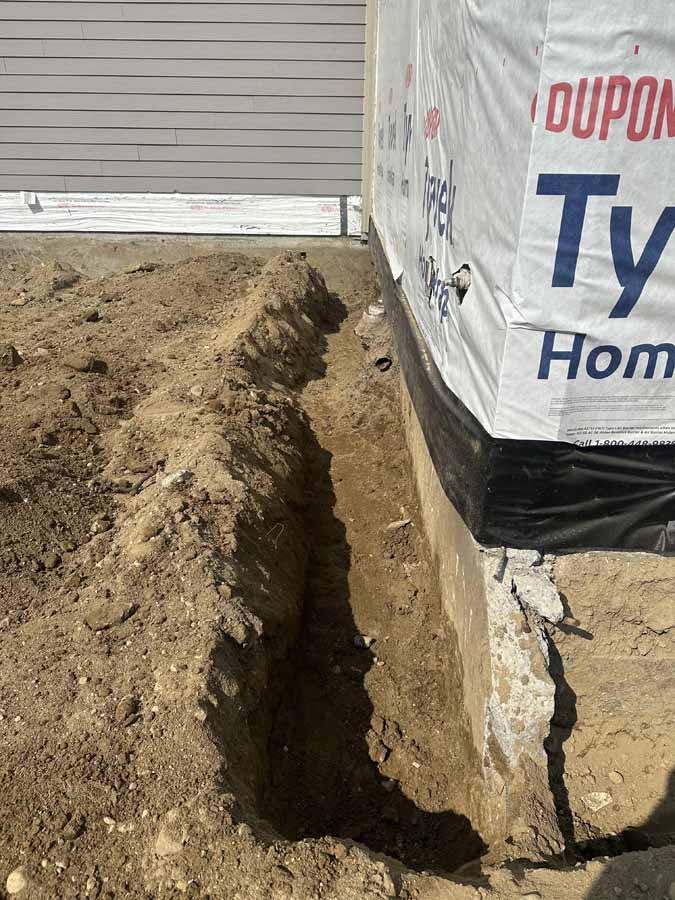
Site Assessment-
The initial phase where a thorough evaluation of the site is conducted. This includes understanding the terrain, soil composition, existing water flow, and potential obstacles like underground utilities. Professionals utilize various tools such as land surveys and soil tests to develop a comprehensive understanding of the area’s water management needs.
Excavation Techniques play a crucial role in creating effective drainage systems. These techniques must be integrated with other aspects of excavation like foundation digging or land clearing. The process involves using heavy machinery like backhoes and excavators, chosen based on the project scale and soil type. Precision is key in this stage to ensure that the drainage system is at the correct depth and alignment.
Overall, each step in drainage excavation is interconnected, requiring detailed planning, advanced techniques, and expert execution to achieve a functional and reliable drainage system.
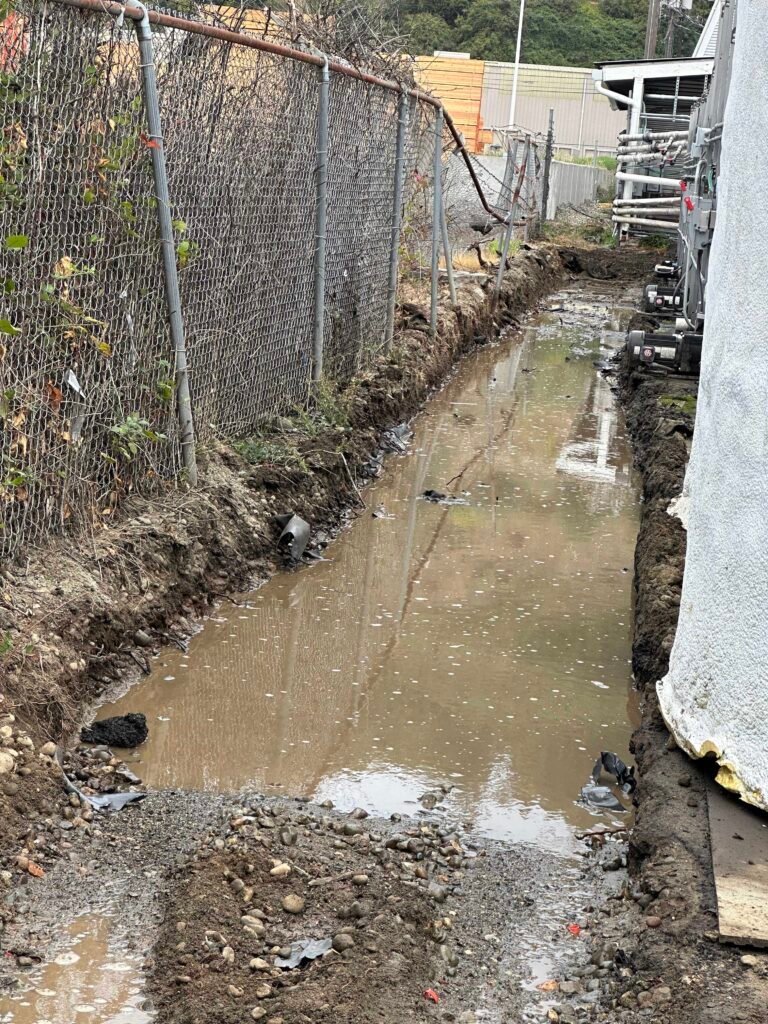
We employ various drainage methods, such as:
French Drains:
Trench Drains:
Sump Pumps:
Each of these methods serves a distinct purpose in water management and is chosen based on the specific needs of the area in question, such as the amount of water to be managed, the geography of the land, and the location of structures.
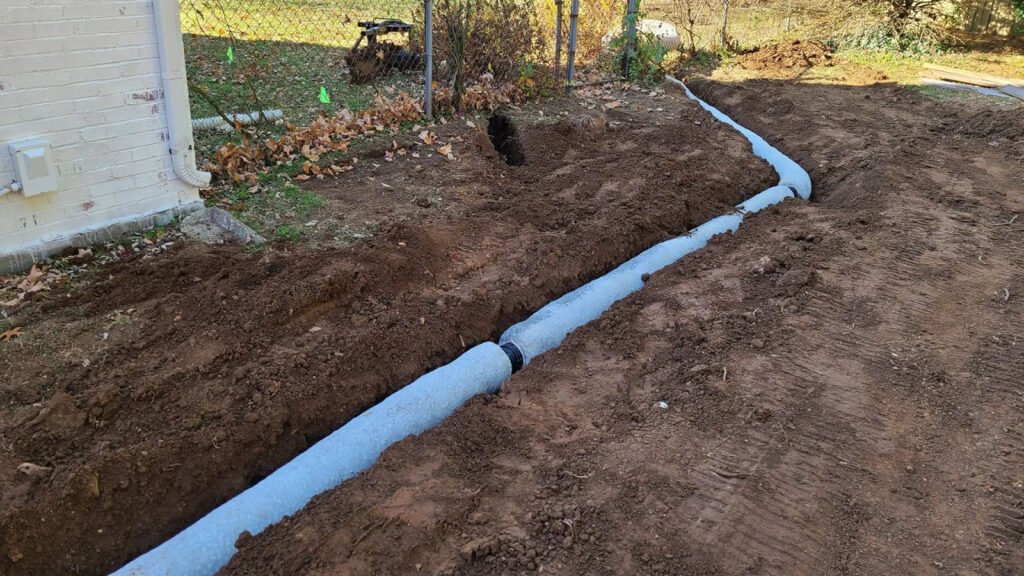
Drainage excavation is the process of creating systems that allow for efficient water removal from a site. It is a crucial part of maintaining the integrity of the excavated area and surrounding structures. With our extensive experience in Tacoma, PNW Excavation delivers reliable and effective drainage solutions.
Effective drainage is a cornerstone of successful excavation projects. At PNW Excavation, we understand the nuances of drainage excavation and are committed to delivering solutions that ensure the safety, longevity, and integrity of your projects. Our approach is not just about digging and installing drainage systems; it’s about providing peace of mind and protecting your investment. Contact us for professional, timely, and safe excavation services in Tacoma, Washington. Let us help you lay the foundation for success with our expert drainage solutions.
Drainage excavation involves creating systems that effectively manage water in and around excavation sites. It’s essential for maintaining the site’s integrity and preventing water-related damages.
Proper drainage is crucial for preventing water accumulation that can lead to soil erosion, foundation damage, and structural instability. It ensures the longevity and safety of the construction project.
We offer a variety of drainage solutions, including French drains, trench drains, and sump pumps. Each solution is tailored to meet the specific requirements of your project.
Our approach involves a thorough site assessment to understand the terrain, soil type, and water table levels. Based on these factors, we recommend the most effective drainage method for your specific needs.
Yes, drainage excavation can be seamlessly integrated with other services such as land clearing, foundation excavation, and property maintenance for a comprehensive approach to your project.
Yes, we have the expertise and equipment to handle drainage excavation in various terrains. Whether it’s a residential area or a commercial site, we can provide efficient drainage solutions.
The duration depends on the project’s size and complexity. We strive to complete all projects in a timely manner without compromising on quality and safety.